

Rebuilding the Experience Measurement Framework (EMF)
We have a saying at UX is Fine: sometimes you just need to UX the UX. It means we hold our own tools to the same standard we hold our clients' work. If something isn't doing the job it's supposed to do, it isn't exempt from scrutiny just because we built it.
That's what happened recently with our Experience Measurement Framework (EMF).
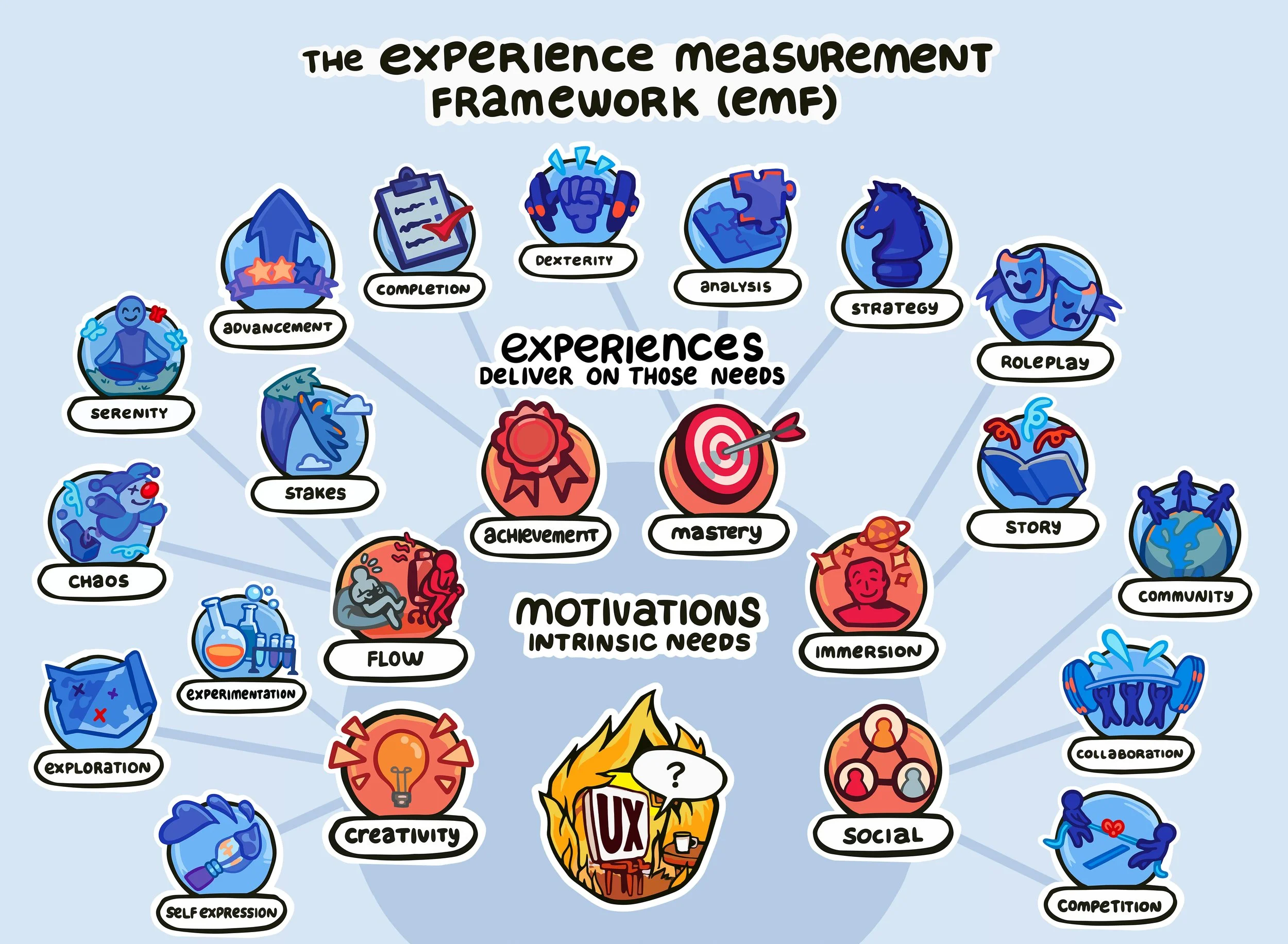
The EMF has been one of our most powerful tools for years. It gives teams a precise language for what drives different types of players towards certain games and not others, even within the same genre. It turns "we want players to like our game" into something specific enough to act on. It helps studios stop saying everything is important — because when everything is important, nothing is.
But we kept running into friction. The world of video games has changed and evolved over time, and players change with it. When we tried to apply the EMF to newer games — cozy games, roguelikes, deeply social experiences — the framework was working against us instead of for us.
If we're struggling to map our own tool onto the work in front of us, that's our problem to fix. Here's what changed.
From Thrill to Flow
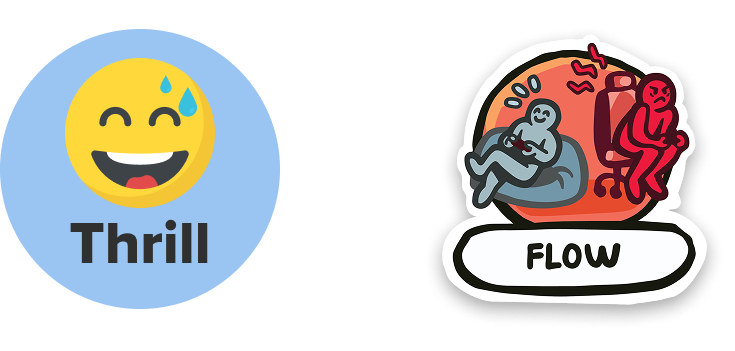
The original EMF had a motivation category called Thrill — adrenaline and chaos, high stakes and nail-biting moments. The problem is that Thrill defined one end of a spectrum and ignored the other entirely. With the rise of cozy games, we needed better language than just games “don’t include Thrill”. Cozy game players have their own distinct motivations.
Defining an audience by the absence of something was never going to work.
So we scrapped the category and rebuilt it holistically as Flow — the emotional state a player enters when they lock in. A Soulslike veteran finds it through sustained intensity and focused precision. A Stardew Valley player finds it through the absence of urgency. Same goals. Completely different paths to it.
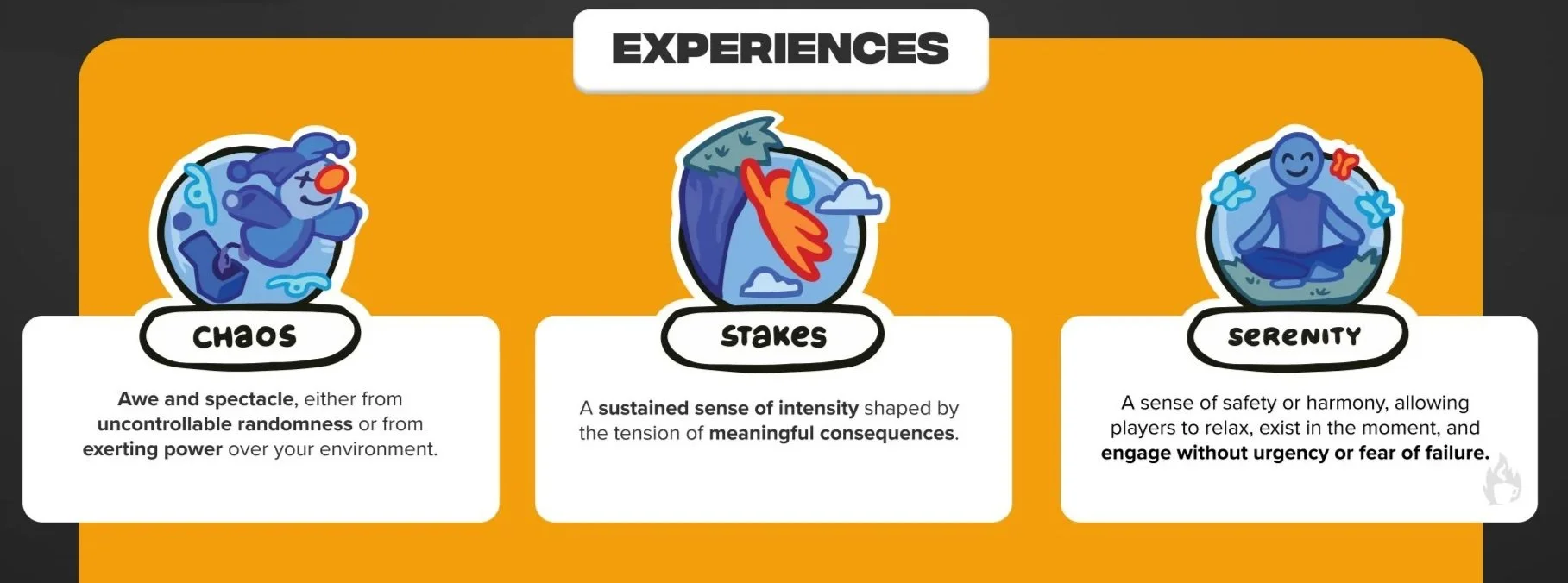
Flow holds three experiences: Stakes (high-intensity, meaningful consequences), Serenity (low urgency, the pleasure of unhurried play), and Chaos (the joy of randomness, physics, and things going delightfully sideways).

Exploration vs. Experimentation
We also had previously combined two very different players into one box: the one who climbs every mountain in Skyrim, and the one who runs the same dungeon twelve times to see if a new build can break it differently. But they aren’t the same at all - one is exploring the limits of the game’s world, while the other is exploring the limits of the game’s systems.
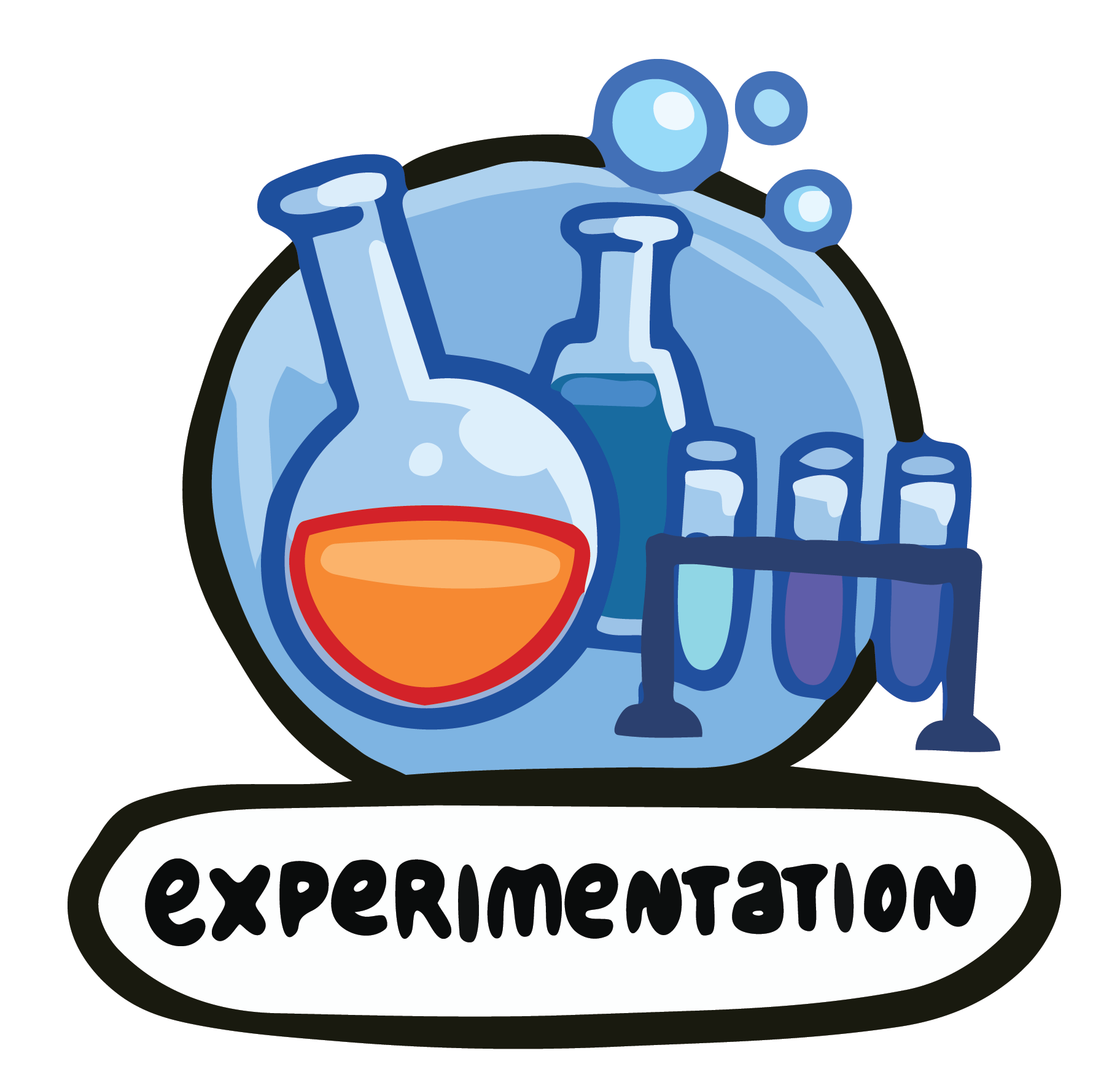
The boom of roguelike and rouguelike-fusion games made this distinction all the more critical to navigate. Look at more narrative driven rouge-like games like Blue Prince and Hades! We need language to talk about those players trying to optimize their builds for the most damage and fastest times, and separate them from the players who are going to turn over every in game rock purely for the pleasure of seeing what’s under it.
Now Exploration covers players who want to find every secret and path. Experimentation covers players who want to master the mechanics, discover synergies, and wring every variable out of the system.
Small change on paper. Real difference in practice.
Advancement Replaces Power
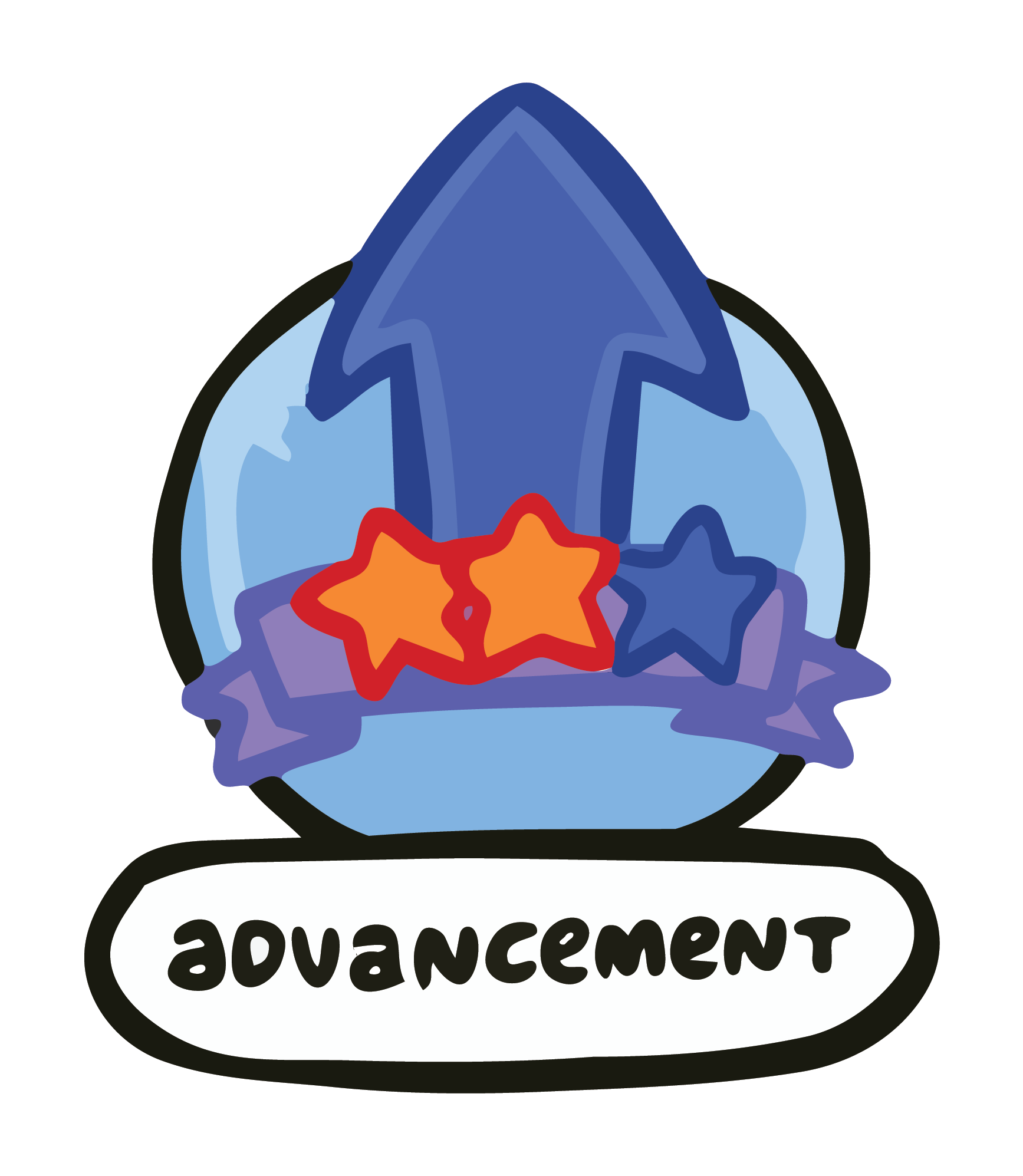
The old Power experience was built around the RPG idea of leveling up.
But the satisfaction a player finds when "number go up" — our placeholder name for this experience before settling on the more official sounding “Advancement” — isn't limited to RPGs. Idle games live on it. Gacha games are built around it.
Advancement captures the full range of games where visible, measurable forward progress is the reward.
Community, Collaboration, and Competition
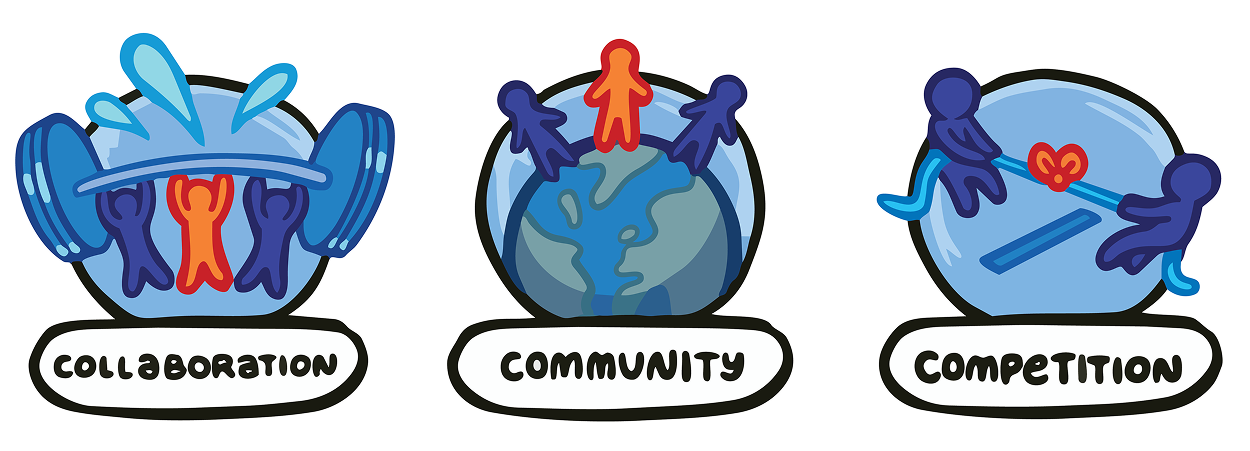
We used to divide social motivation into Community and Competition. But not all positive social play is the same. Working together toward a shared goal — a guild clear, a co-op raid — is very different from simply being with other people in a shared space.
VRChat isn't about accomplishment. Sometimes players just want to hang out.
So Collaboration is now its own experience — coordinating with others to achieve something. Community is connection and socialization as the goal itself. And Competition remains the same.
Why Now
The EMF was built to help studios make better decisions about player experience. The moment it starts being harder to apply than it is useful, it's doing the opposite.
We watch the games that come out. We watch the genres that evolve. The cozy boom, the roguelike explosion, the way social play in virtual spaces has changed — all of it pointed to a framework that needed room to grow.
EMF 2.0 reflects where players are. If you want to see what it can do for your studio, reach out. We would love to show you.

Sarah Benjamin is the current UX Director at UX is Fine.
Her greatest video game achievement to date is getting all the legendary weapons in Final Fantasy X - yes, even the lightning dodging one.
